FEATURED

14 Surprising Reasons Why Are Budgies Good Pets
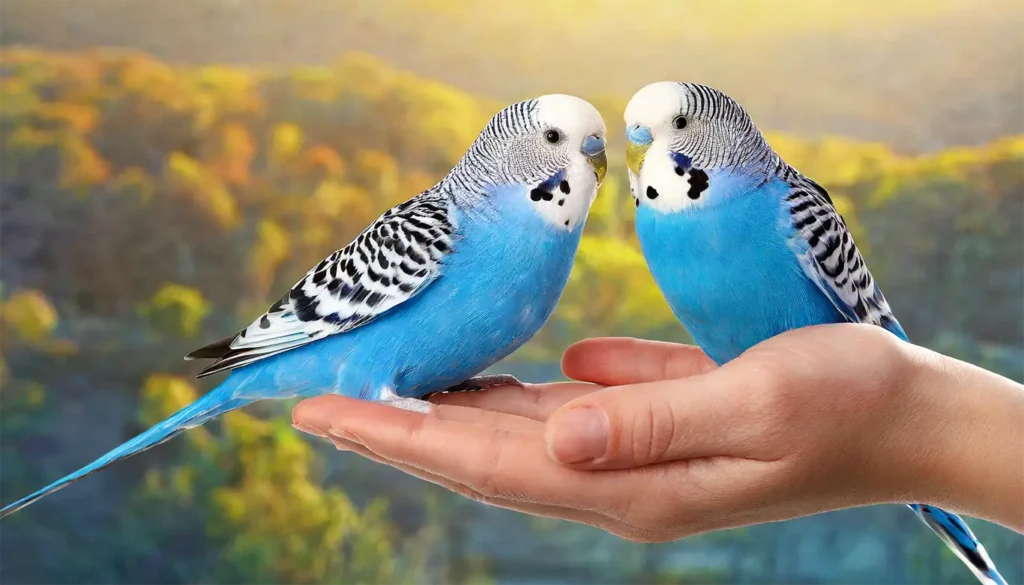
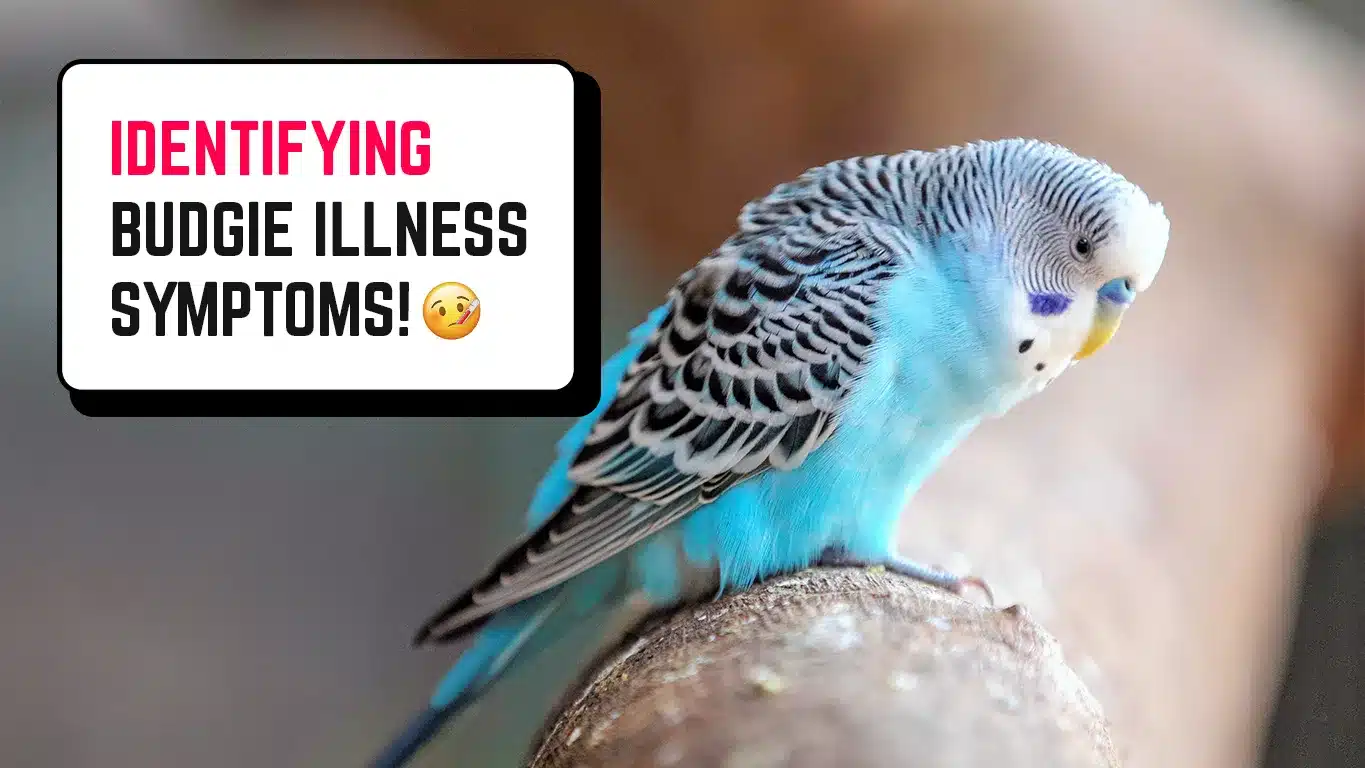
How Smart Are Budgies? (Small Birds, Big Brains)
Budgies have tiny bodies with much tinier brains. But if you judge their smartness based on their brain size, you would be wrong. So, how …
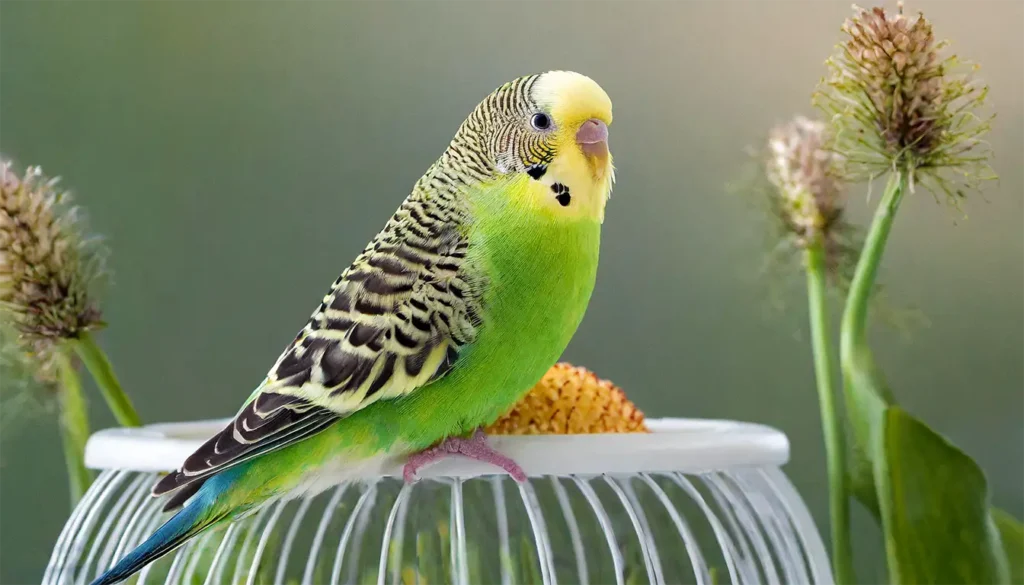
Budgies Stand On One Leg, WHY?
A budgie standing on one leg might give you the idea that it feels discomfort in its other leg. It might even scare you that …
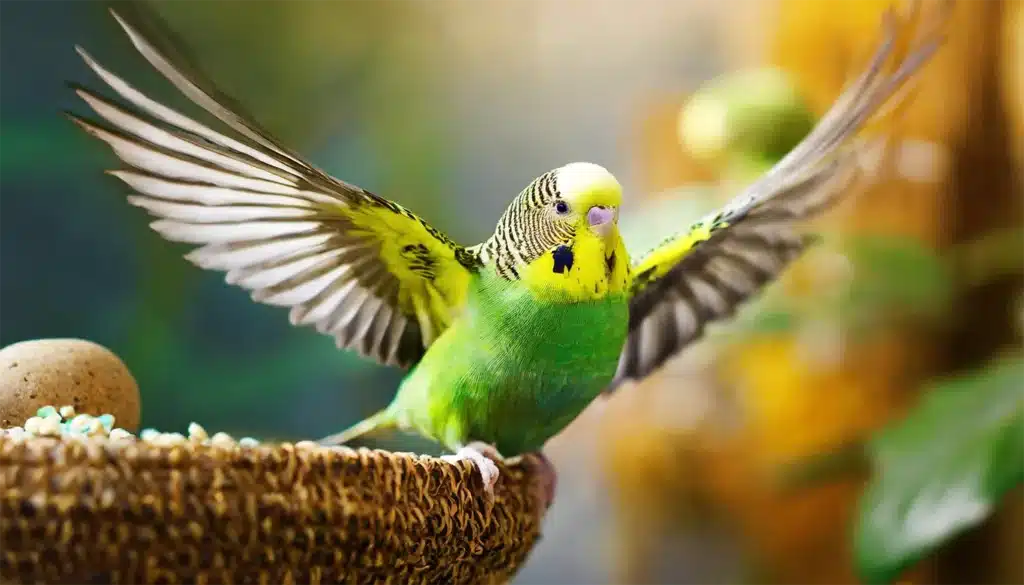
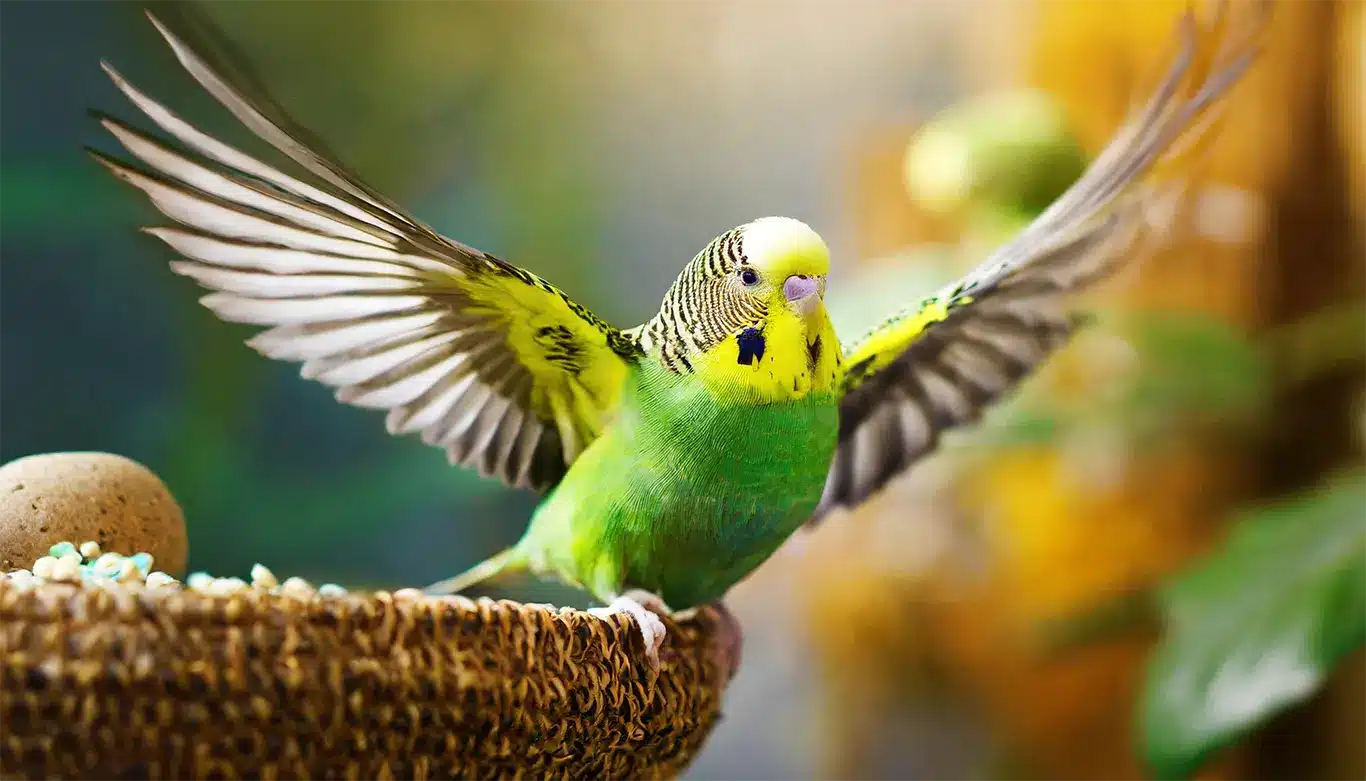
Why Do Budgies Flap Their Wings?
When you spend enough time with your budgies, you notice some of their typical behaviors. It makes you curious about what their behaviors could mean. …
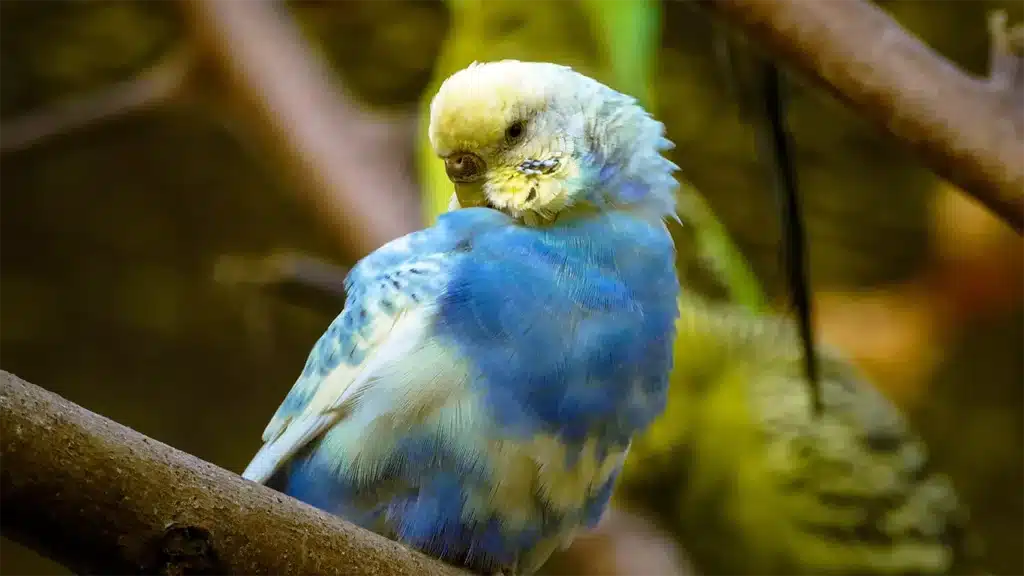
Stressed Budgie Behaviour: How To Tell If A Budgie Is Stressed?
Budgies are often active and happy little birds. But, it can sometimes show unusual behaviour, like being quiet, not moving, biting, or hissing. This is …
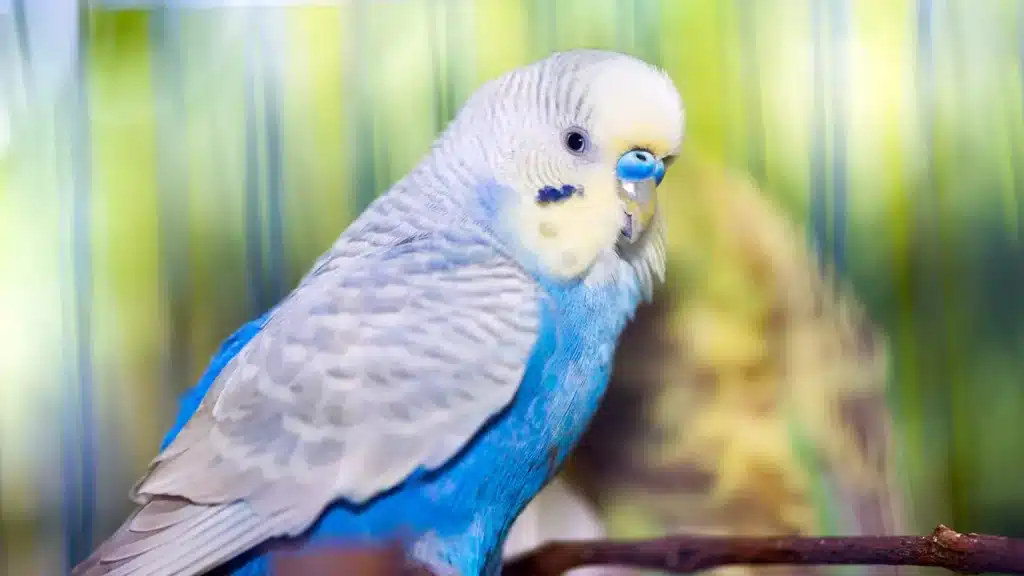
Why Is My Budgie Chirping Quietly?
Vocalization in any form (chirping, chattering, singing, etc) is the communication tool of budgies. Last month, when my budgie switched to a low-tone chattering, I …
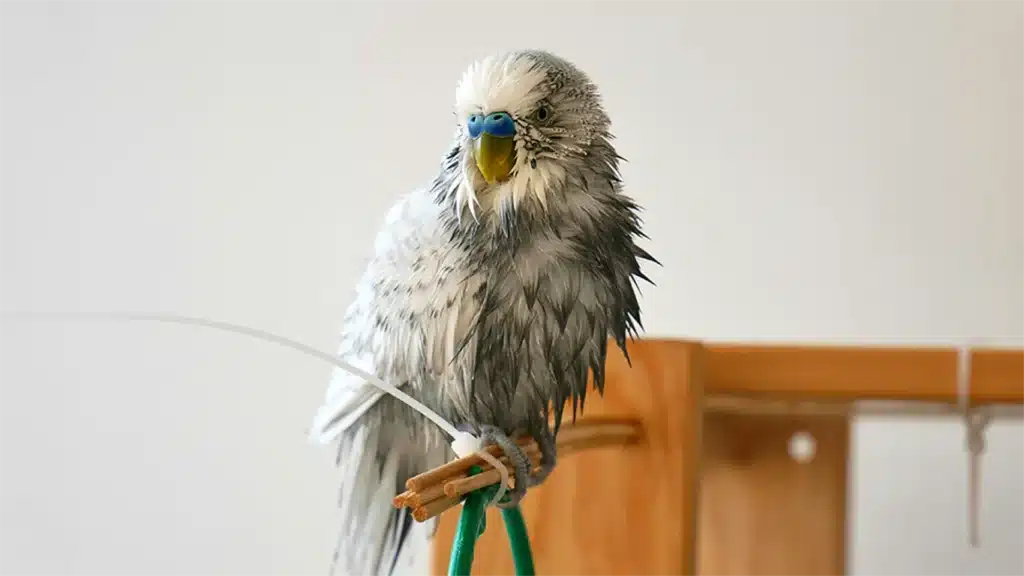
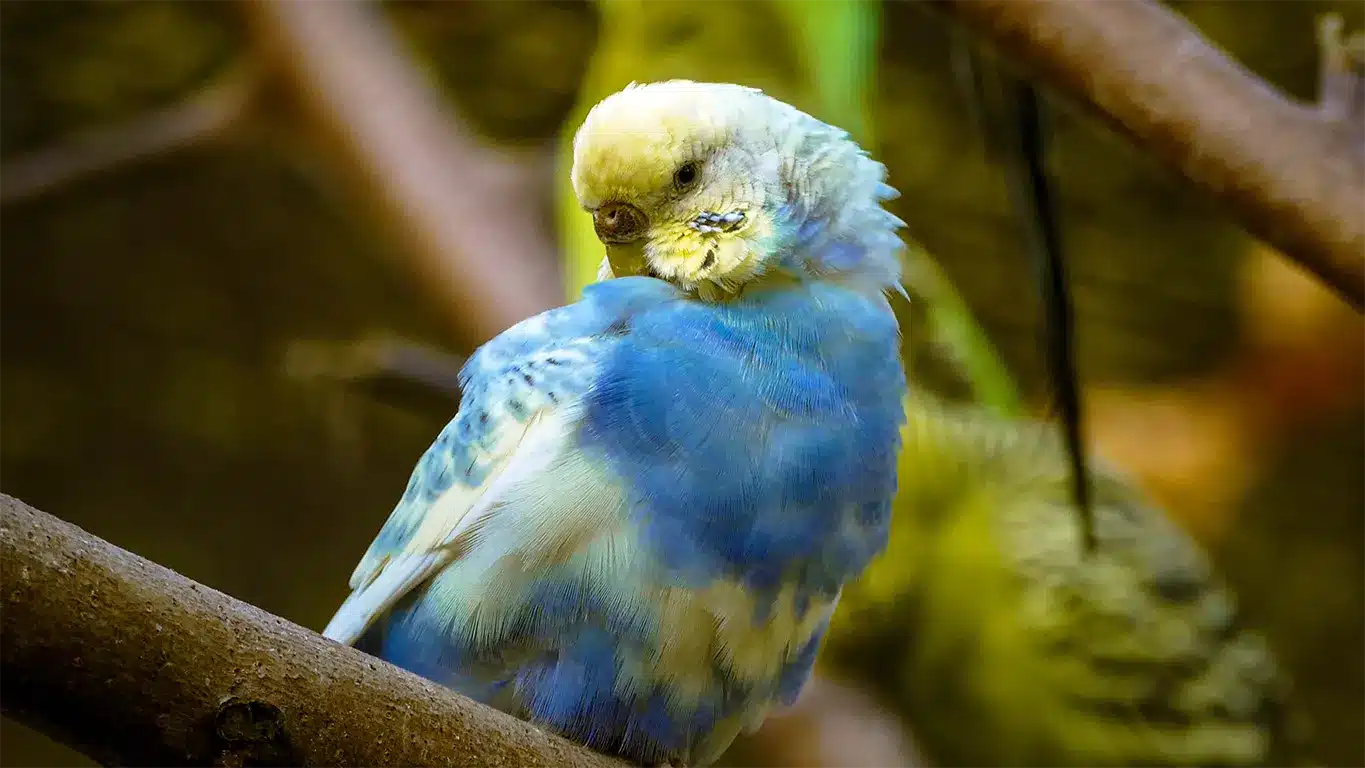
5 Ways to Dry a Budgie After a Bath
Did you know that a wet budgie can be a cold budgie? While bath time is a fun and healthy activity for your feathered friend …
Read More From Our Blog