
Incomplete dominance shows itself when there are three possible phenotypes, representing each of the two homozygous and one heterozygous genotypes. In a straight
dominant - recessive gene
interaction there are only two possible phenotypes. So, as a recap, normal dominance works like this:
AA - homozygous dominant gene, appears as dominant phenotype Aa - heterozygous, also appears as dominant phenotype aa - homozygous recessive gene, appears like recessive phenotype
Incomplete dominance works like this:
AA - homozygous dominant gene, appears as dominant phenotype Aa - heterozygous, appears in-between the two homozygous types aa - homozygous recessive gene, appears like recessive phenotype
Using the spangle variety lets see how this works in real life.
Spangle Inheritance
We start with the three possible genotypes:
sp/sp - wild type = non spangle Sp/sp - single factor spangle Sp/Sp - double factor spangle
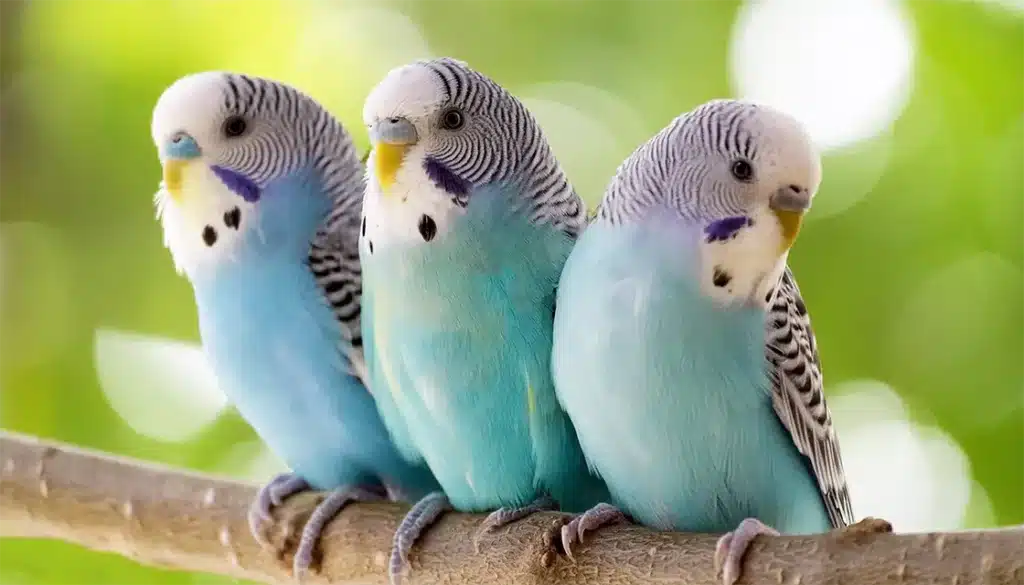
If spangle inheritance was a straight forward dominant - recessive, then the last two genotypes would both look the same. However, with incomplete dominance the gene is unable to fully express itself as a single factor so it creates an intermediate form. With this variety the three phenotypes are shown below:
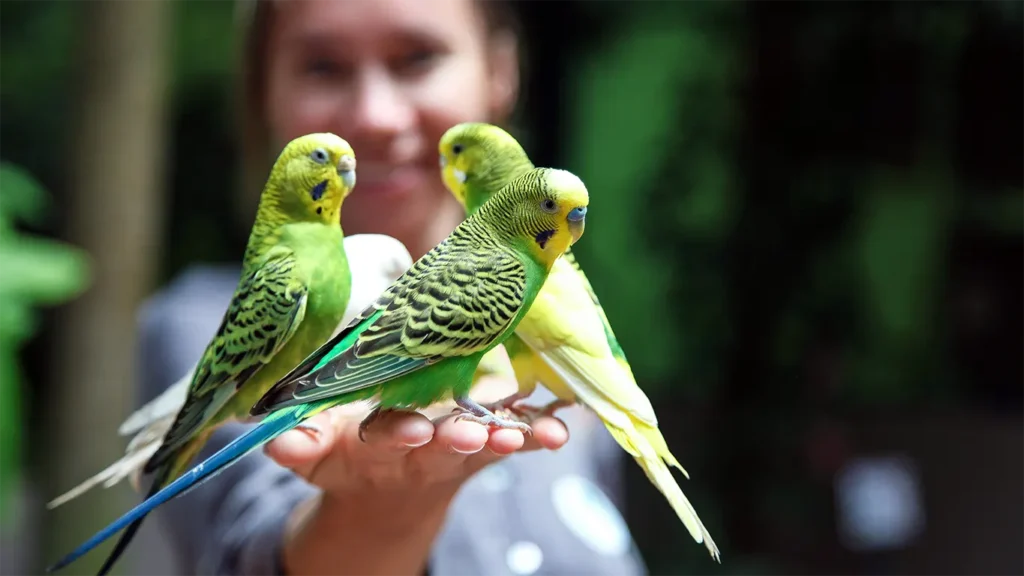
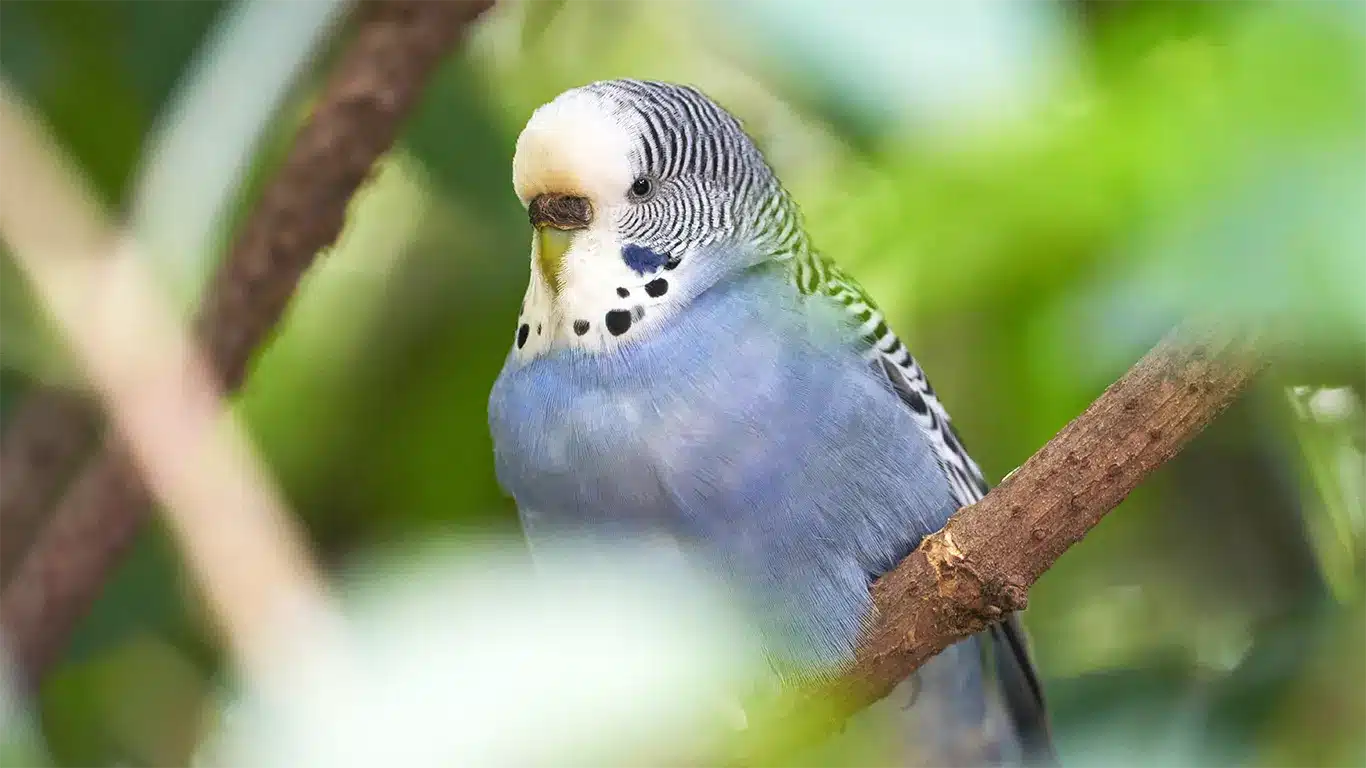
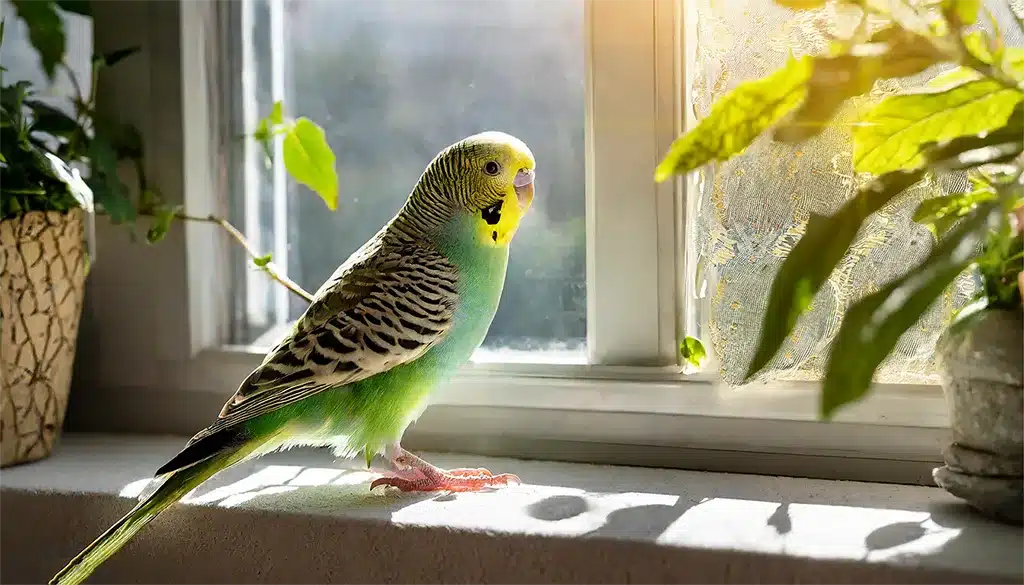
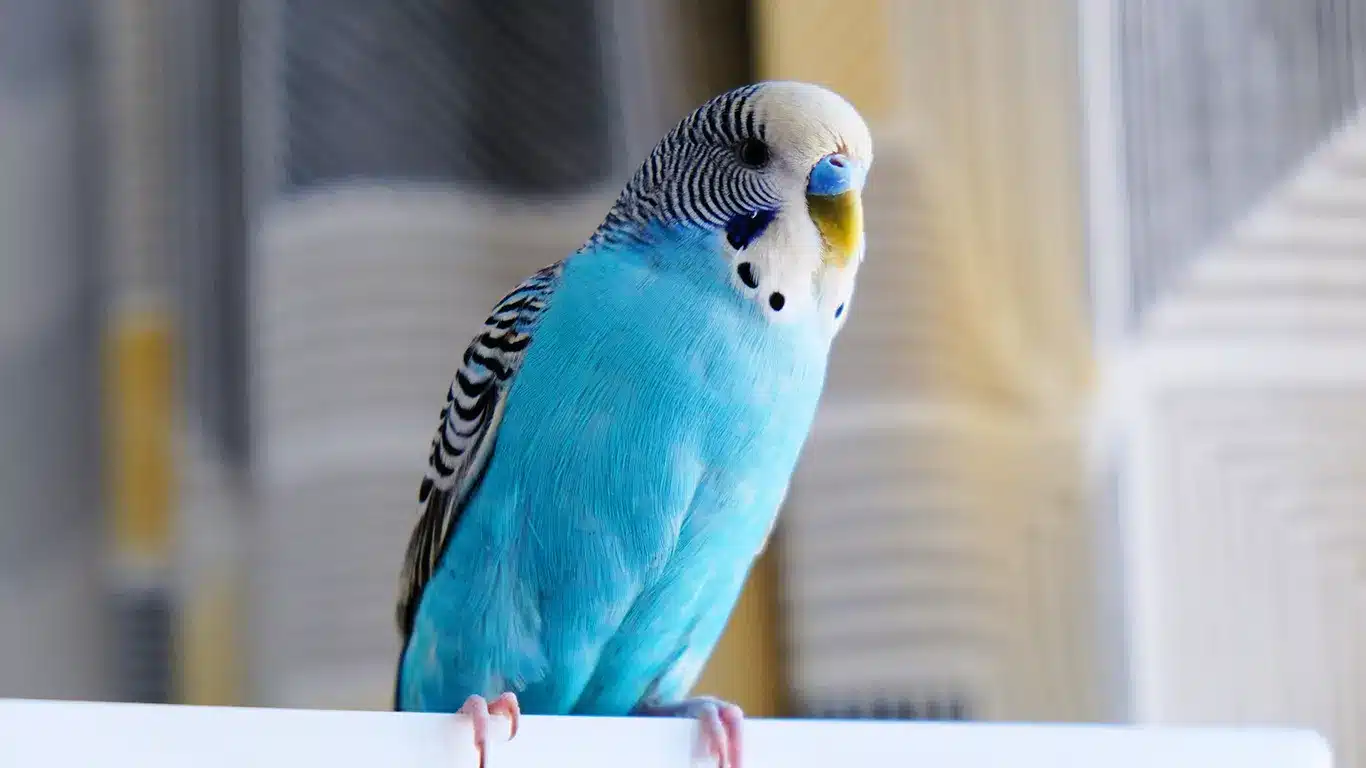
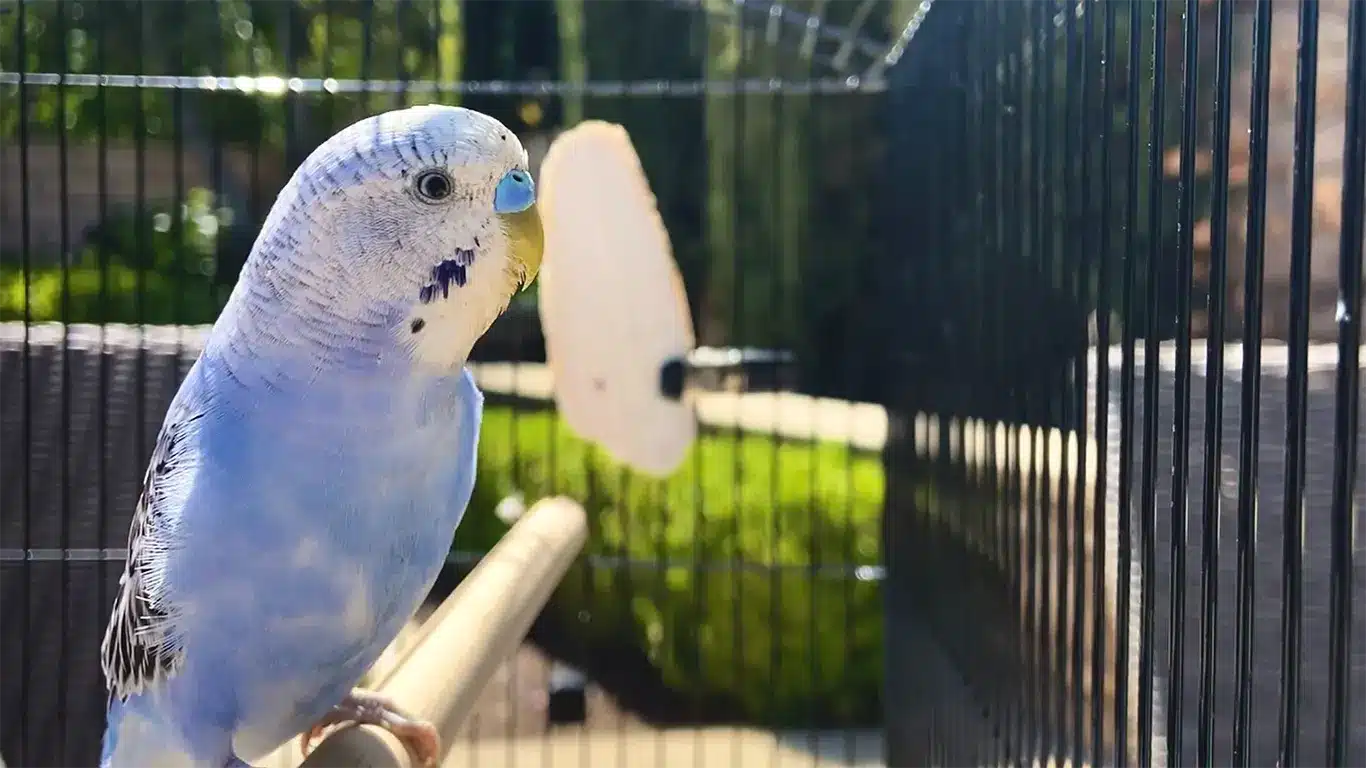
- the left hand bird is a double factor spangle - its sister next to her is single factor spangle - and the picture below is a normal (non-spangle)
The Dark Factor
The most common place to see incomplete dominance in action is with the gene that determines what shade of color your budgie is; light, medium or dark.
These are the three shades that all budgie colors come in. With the blues we call them skyblue (light), cobalt (medium) and mauve (dark). With the greens we call them light green (light), dark green (medium) and olive (dark).
The gene that determines shade is called the 'dark' gene and has the symbol 'D'. The wild type budgie has a non-dark gene ('d') and is light green.
So the three genotypes and phenotypes for this gene are:
- d/d no dark gene = light shade - D/d one dark gene = medium shade - D/D two dark genes = dark shade
Now lets do a punnett square to see how this works in the real world. If you do not know what a punnett square is please return to
Articles on Genetics
read about them before continuing...it is only a couple of paragraphs and won't take long...!
For an example: cobalt hen x cobalt cock:
Both birds have the same phenotype (cobalt) and genotype bl1/bl1 D/d, (bl1/bl1 = blue, D/d = medium shade)
Without a knowledge of genetics you would probably expect to get 100% cobalts, but with a little knowledge you can see there is more to it.
Now we have a basic understanding of incomplete dominance, you should be able to work out expectations for a few more types of matings. Here is a list of the genes that are incompletely dominant.
- dark = D - spangle = Sp - dominant pied = Pb - violet = V - greywing = dilgw - clearwing = dilcw